First edition · 24 November 2026
The State of Tabular AI
Report 2026
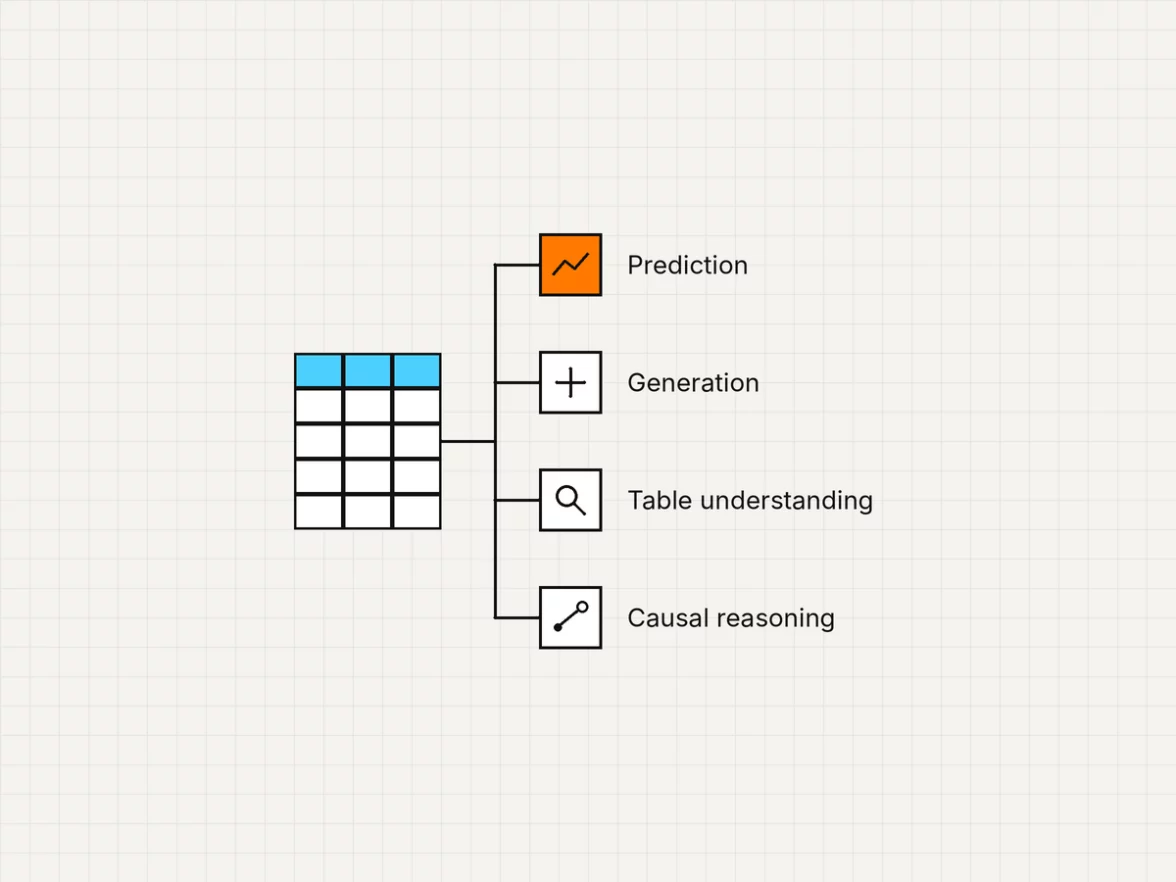
Tabular AI is the subset of AI that grounds decisions on tabular data. This report maps the most consequential innovations in 2026 and industry leaders' bets for 2027, drawing on data analysis and interviews with 50+ experts.
Key figures in the report
-
2.3 billion
scikit-learn downloads in the past 12 months, up 94% year over year.
-
200+
estimators in scikit-learn, plus tools for data preparation, evaluation and tuning.
-
80%
of TabArena datasets where TabICLv2 beats tuned XGBoost, CatBoost and LightGBM.
-
2
fully open tabular foundation models to date: TabICLv2 and Kumo Tabular.
-
67%
of practitioners have seen an agent produce a plausible but wrong analysis, according to the State of Agentic Data Science survey.
-
19%
of practitioners have built repeatable agentic workflows, according to the State of Agentic Data Science survey.
-
70%
of AI’s potential value lies in R&D, sales and manufacturing, according to BCG.
-
50+
experts interviewed across the Tabular AI ecosystem.


Inside the report
The current state of tabular AI in five chapters:
-
Chapter 1
Generative AI owns the conversation. Tabular AI owns the P&L.
Many of the most consequential enterprise decisions are made on tables: forecasting demand, pricing products, planning maintenance. This chapter defines Tabular AI, maps its scope, and sizes the enterprise opportunity.
-
Chapter 2
scikit-learn is the Swiss Army knife of machine learning
Over 200 estimators plus essential workflow tools for data preparation, evaluation and tuning that combine with any ML framework or TFM. Downloads grew 94% in a year, and development is keeping pace: faster, more reliable, easier to use.
-
Chapter 3
Tabular AI stands on the shoulders of the Python ecosystem
Python libraries power the whole workflow, from data pipelining to MLOps. Among the 40 most used libraries, download growth more than doubled after coding agents arrived, and state-of-the-art TFMs build on the same stack.
-
Chapter 4
Tabular foundation models are a fast-moving frontier
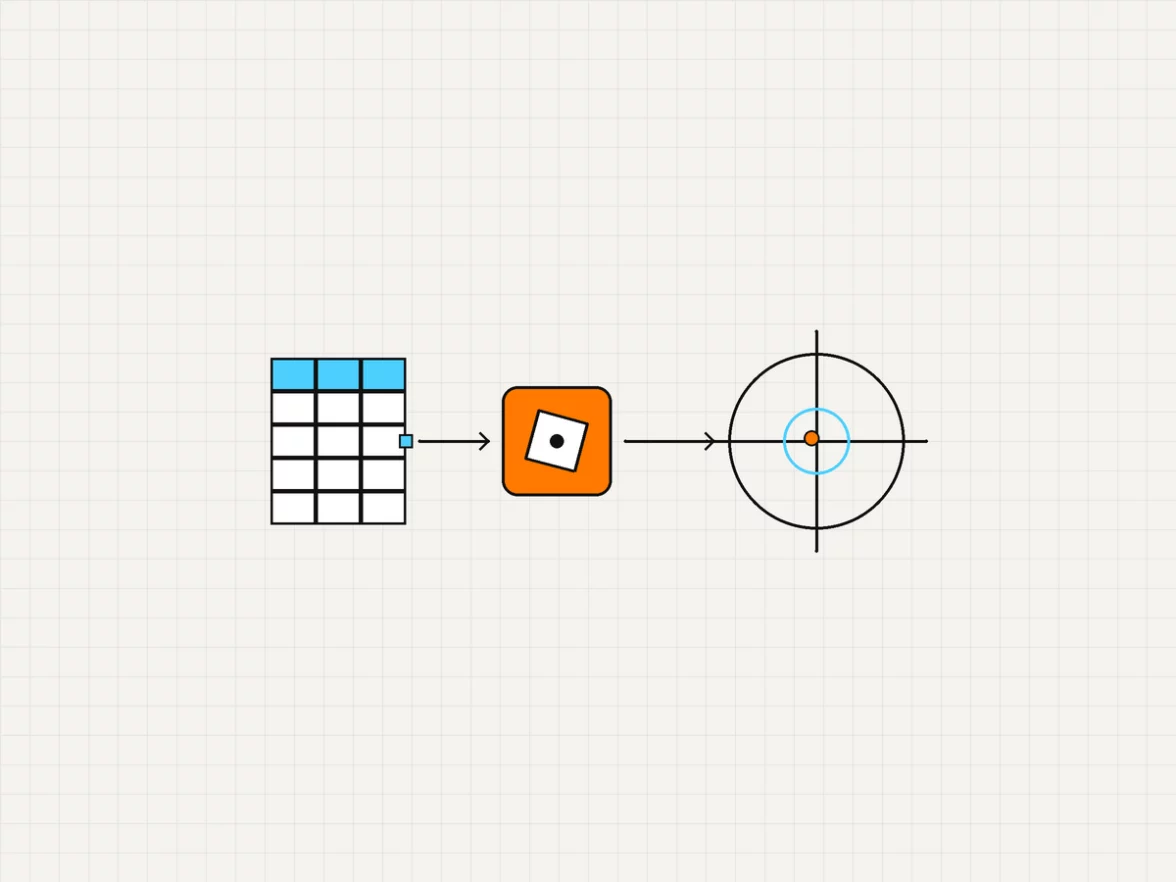
TFMs outperform gradient-boosted trees out of the box on most benchmark datasets, but they are not a silver bullet: trees and deep learning still win on large, high-dimensional and non-IID data. Open science drives the progress, yet only two TFMs, TabICLv2 and Kumo Tabular, are fully open.
-
Chapter 5
Agents accelerate data science and shift the bottleneck to validation
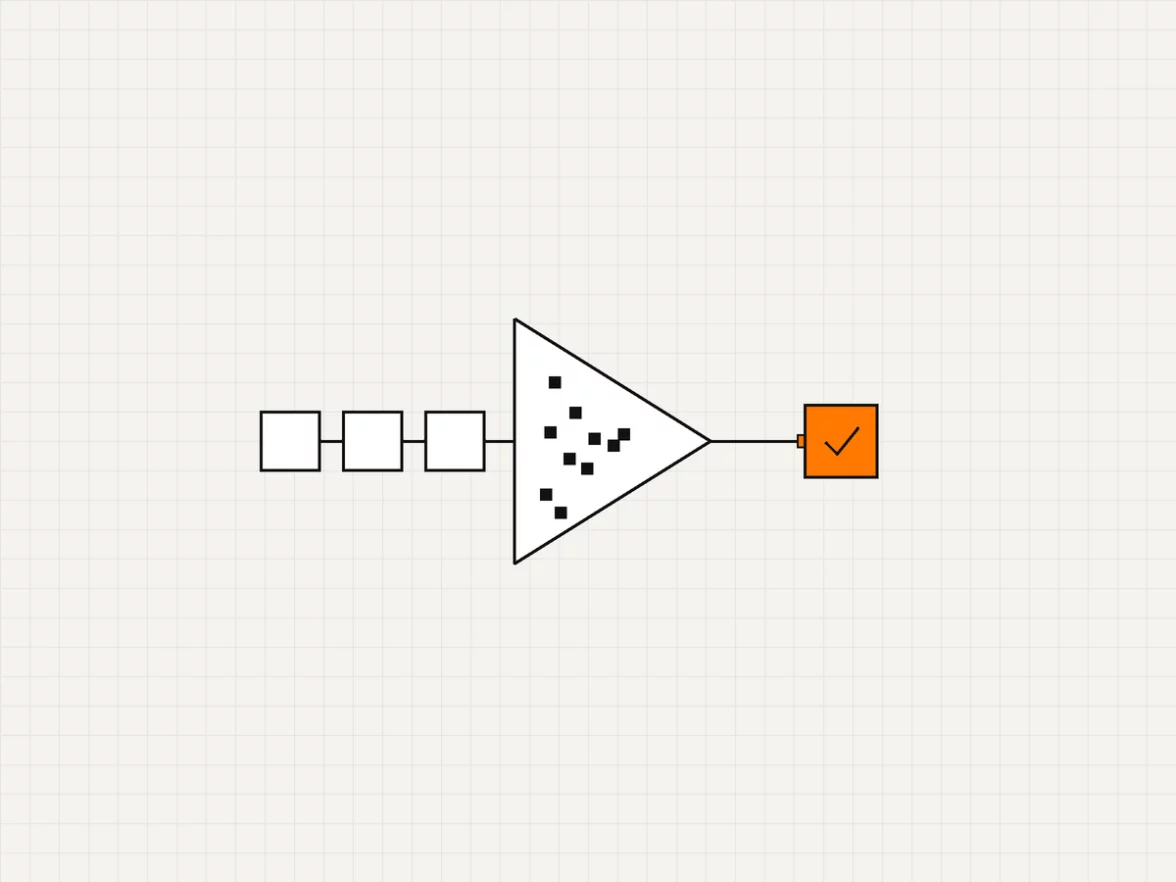
Almost 80% of practitioners use AI daily, but only 19% have built repeatable agentic workflows. Open source skills and a statistical harness are emerging as the way to steer reliable data science agents.


Meet the authors
Written by the team behind scikit-learn, with a foreword by a leading researcher in table representation learning.
-

Dr. Gaël Varoquaux
Co-creator of scikit-learn, co-founder and Chief Science Officer at Probabl.
-

Dr. Cailean Osborne
Head of Ecosystem Development at Probabl, previously at the Linux Foundation.
-
Dr. Madelon Hulsebos
Foreword author. Senior researcher at CWI Amsterdam, leading its Table Representation Learning Lab.

Get the full Tabular AI report
Fill in the form to download the State of Tabular AI Report 2026.
What you’ll get
- The category map: why Tabular AI is more than predictive modeling.
- The foundations: how scikit-learn and Python are the backbone of Tabular AI.
- The frontier: where tabular foundation models lead and fall short.
- The agentic turn: how data scientists are using agents, and the shifting bottleneck.
- Expert voices: interviews with NVIDIA, Intel, SAP, IBM, Moderna and more.